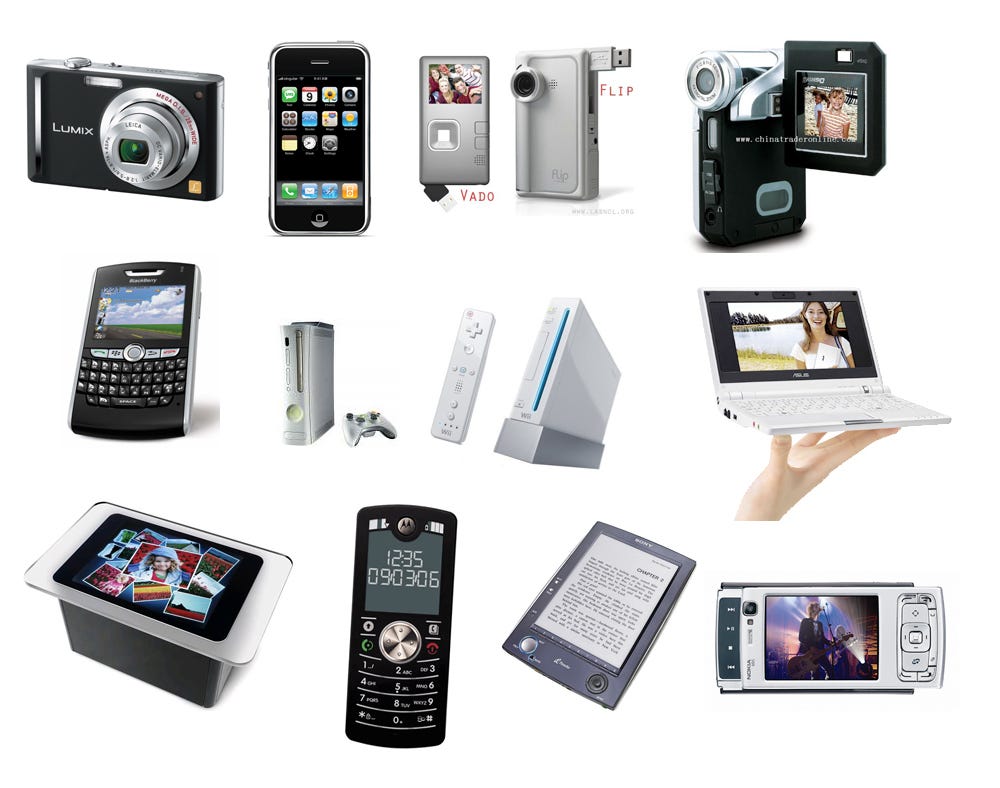
The Invisible Backbone: How Our Daily Devices Shape Modern Life
The rise of technology has woven a complex network of daily devices that have become the invisible backbone of our modern existence. From smartphones and tablets to smart home gadgets, these tools not only facilitate our communication but also enhance our productivity and connectivity. It is hard to imagine a day without checking our social media notifications or relying on GPS for navigation. According to recent studies, over 90% of adults in developed countries now own a smartphone, highlighting the pervasive influence these devices wield over our daily routines.
Moreover, the interaction with our daily devices shapes not only our behaviors but also our social structures. As we increasingly rely on technology for tasks such as shopping, banking, and even dating, we must consider the implications of this dependency. For instance, while electronic commerce has made shopping more convenient, it has also led to the decline of brick-and-mortar stores, reshaping local economies. In essence, our commitment to these devices is both a testament to their benefits and a challenge to navigate, as they become an integral part of our identity in modern society.
Counter-Strike is a highly popular tactical first-person shooter game that revolutionized the gaming industry with its competitive gameplay and team-based mechanics. Players can choose to be part of either the terrorist or counter-terrorist teams, engaging in various mission objectives. For gaming on the go, parents may want to check out the Top 10 iPad Accessories for Kids to enhance their children's gaming experience.
Empty Spaces: Imagining a Day Without Our Essential Gadgets
Imagine waking up to a world devoid of our essential gadgets. No buzzing alarm clocks to jolt us from slumber, no smartphones to check messages from loved ones, and no computers to dive into the endless flow of information. Empty spaces echo in the absence of these devices, forcing us to confront a day where we must rely solely on ourselves. As we step into the living room, we notice the silence—no music streaming from smart speakers and no notifications lighting up our screens. This drastic shift creates a powerful sense of isolation and reflection, compelling us to explore how deeply integrated these gadgets are in our daily lives.
Without our essential gadgets, mundane tasks suddenly transform into challenges. Without a microwave, we rediscover the art of cooking with fire; without online maps, we navigate our surroundings by memory and intuition. Creativity flourishes in empty spaces as we are pushed to engage with our environment in ways we had long abandoned. Transitioning from a tech-driven existence to an analog lifestyle might seem daunting, yet it also invites us to cherish human connections, embrace nature, and engage in thoughtful introspection. Ultimately, this experiment in absence reveals not just what we take for granted, but also the beauty of simplicity that exists beyond our screens.
What Would Happen to Society if All Technology Disappeared Overnight?
If all technology were to suddenly disappear overnight, society would experience a seismic shift in its operations and daily patterns. Many people would face immediate challenges in communication, as reliance on smartphones and the internet has largely supplanted traditional means. The sudden absence of technological tools would disrupt everything from basic social interactions to complex logistical operations, such as food distribution and transportation. Education, too, would feel the repercussions, as classrooms would revert to pre-21st-century methods of teaching and learning, relying heavily on *face-to-face* interactions and physical materials.
Moreover, this radical disappearance would trigger a crisis in essential services. Healthcare systems, which depend on advanced medical technology for diagnostics and treatment, would be severely crippled. Hospitals would struggle to manage patient care, leading to an increase in mortality rates from previously manageable conditions. In this chaotic environment, society might witness a resurgence of community bonds as people rely on each other for support and resources. In essence, without technology, society could revert to a more localized, self-sustaining model, though it would undoubtedly face significant hardships in the transition.