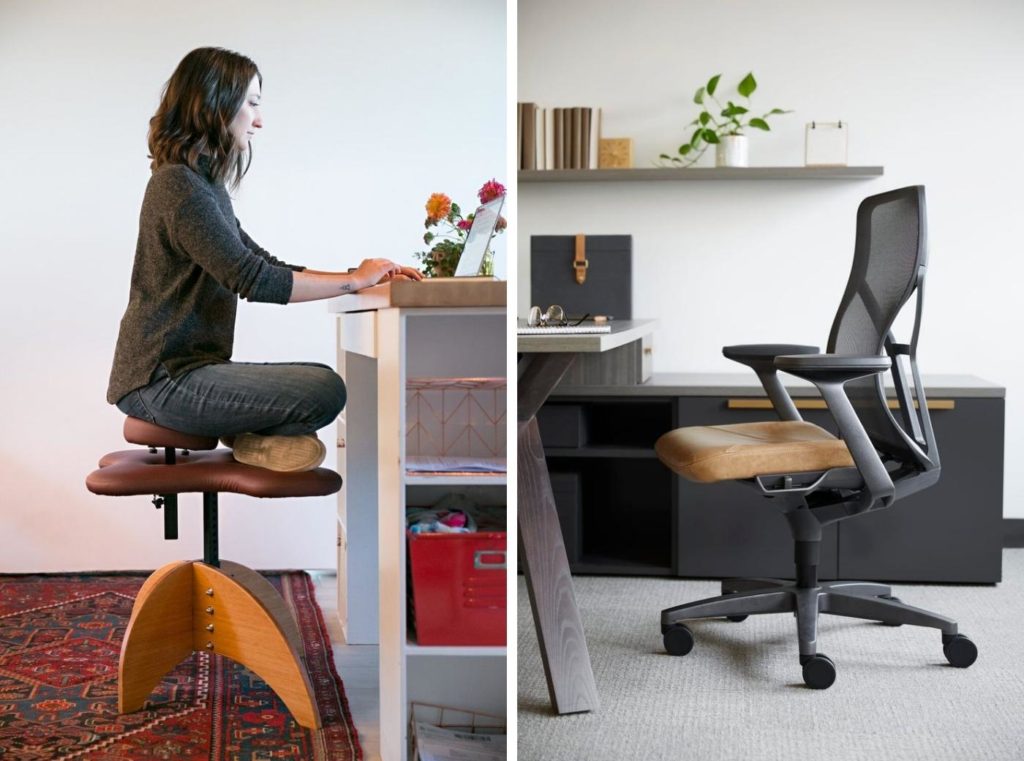
5 Essential Tips for Creating an Ergonomic Workspace
Creating an ergonomic workspace is essential for enhancing comfort and boosting productivity. Here are 5 essential tips to help you design a workspace that prioritizes your health and well-being:
- Chair Selection: Choose a chair that provides proper lumbar support. Look for adjustable height and armrests to maintain a neutral posture.
- Desk Height: Your desk should allow your elbows to be at a 90-degree angle when typing. Consider a sit-stand desk for variety in your position throughout the day.
- Monitor Position: Position your monitor so that the top of the screen is at eye level. This reduces neck strain, allowing for a more comfortable viewing angle.
- Keyboard and Mouse: Keep your keyboard and mouse close enough to avoid reaching, which can cause strain. Ergonomic options are available for both, designed to minimize wrist strain.
- Lighting: Ensure your workspace is well-lit. Natural light is ideal, but if that’s not possible, opt for lighting that reduces glare on screens.
Counter-Strike is a popular first-person shooter (FPS) game series in which players join either the terrorist or counter-terrorist team to complete various objectives. The game emphasizes teamwork, strategy, and precision shooting. For gamers looking to enhance their experience, finding the right gear is essential. Check out the Top 10 Earbuds for Small Ears to improve your gameplay with quality audio.
How Poor Ergonomics Can Lead to Chronic Back Pain
Poor ergonomics is a prevalent issue in today's work environment, particularly for individuals who spend long hours seated at desks or hunched over computers. When the body is not properly supported, it can lead to an imbalance in posture, increasing the risk of chronic back pain. According to studies, improper workstation setup—such as using a chair that lacks lumbar support or positioning a monitor at an incorrect height—can place undue stress on the spine. Over time, these daily habits may contribute to muscle strain, disc herniation, and debilitating discomfort.
Conversely, implementing ergonomic solutions can significantly mitigate these risks. Simple adjustments like using an ergonomically designed chair, keeping feet flat on the floor, and ensuring the monitor is at eye level can create a more supportive workspace. Additionally, incorporating regular breaks and stretching into the daily routine can help alleviate tension and restore proper alignment. By prioritizing ergonomics, individuals can enhance their well-being and avoid the long-term consequences of chronic back pain.
Is Your Office Chair Ruining Your Posture?
Spending long hours in your office chair can significantly impact your posture and overall health. Many people underestimate the role that a chair plays in maintaining proper spinal alignment. Is your office chair ruining your posture? It's crucial to assess your seating arrangement and ensure it promotes ergonomics. A poorly designed chair may lead to slouching or hunching over your desk, which can cause discomfort and long-term issues like chronic back pain. By evaluating your chair's height, lumbar support, and overall comfort, you can make necessary adjustments to enhance your sitting posture.
It's essential to remember that not all office chairs are created equal. If your chair lacks adequate support or does not allow for adjustments, you may find yourself in a position that exacerbates poor posture. Consider investing in ergonomic office furniture that supports your spine's natural curve. Additionally, try incorporating regular breaks and stretching into your work routine to further mitigate the risk of poor posture. Ultimately, understanding the impact of your office chair on your body is the first step towards fostering a healthier work environment.