The Science Behind Fast Charging: How Technology is Transforming Our Devices
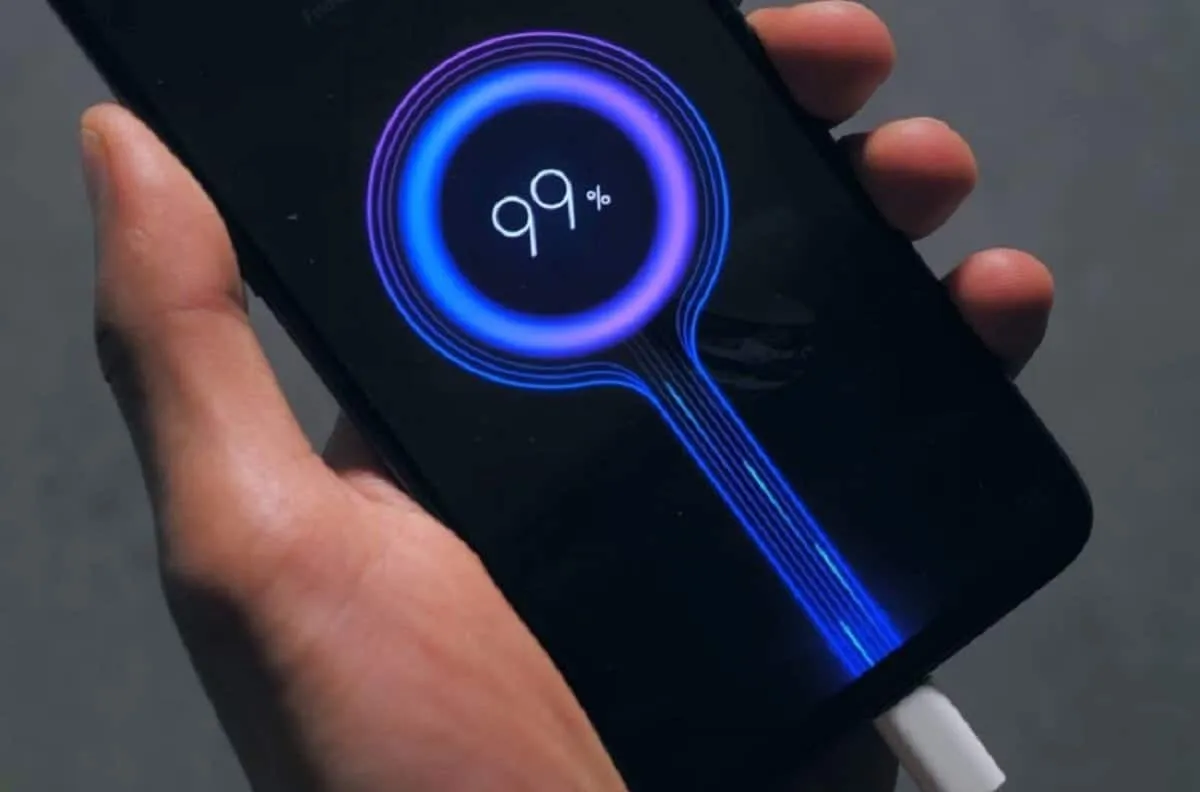
The science behind fast charging has rapidly evolved, transforming the way we power our devices. At the core of fast charging technology lies a fundamental understanding of electrical engineering principles, specifically the manipulation of voltage and current. Traditional charging methods typically deliver a constant voltage, which limits the charging speed. However, fast charging technologies utilize a combination of higher voltages and increased current to significantly reduce the time it takes to recharge a battery. This is achieved through advanced charging circuits that intelligently manage power flow, ensuring optimal efficiency and safety.
Moreover, the impact of fast charging transcends mere convenience; it plays a crucial role in our daily lives. With the rise of fast-charging protocols such as Qualcomm Quick Charge and USB Power Delivery, users can expect their devices to achieve substantial battery levels in a fraction of the time. For instance, a smartphone can reach a 50% charge within just 30 minutes, allowing for greater productivity and less downtime. As technology continues to evolve, the integration of fast charging will likely become standard, enhancing our experience with electronic devices and keeping us connected longer than ever before.
Counter-Strike is a highly popular first-person shooter game that pits teams against each other in various mission-based scenarios. Players can choose to be part of the Terrorist or Counter-Terrorist teams, each with unique objectives. The game demands strategy, teamwork, and skill, making it a staple in competitive gaming. For those looking to enhance their gaming experience, check out the Top 10 magsafe chargers for optimal performance.
Fast Charging vs. Traditional Charging: What You Need to Know
Fast charging technology has revolutionized the way we power our devices, offering significantly reduced charging times compared to traditional charging methods. While a standard charger might take several hours to fully charge a smartphone or tablet, fast chargers can often complete the task in under an hour. This has become especially crucial as our dependence on mobile devices grows, with quick access to communication, social media, and entertainment being more important than ever. Fast charging utilizes higher voltage and current levels, which rapidly fills the battery while still adhering to safety protocols.
On the other hand, traditional charging methods, such as standard USB chargers, continue to be widely used due to their compatibility with a variety of devices. While these chargers are typically slower, they pose less stress on battery health and longevity, making them a safer option for everyday charging needs. With the right knowledge, users can choose between these two charging methods to optimize their battery life and device performance. Ultimately, understanding the differences between fast charging and traditional charging will help consumers make informed choices about their technology use.
Is Your Charger Making the Cut? Tips for Maximizing Charging Speed
If you’ve ever felt frustrated waiting for your device to charge, it might be time to reevaluate your charging setup. First and foremost, charging speed can be significantly affected by the type of charger and cable you are using. Ensure that you are using a charger that is compatible with your device and supports fast charging capabilities. Consider upgrading to a charger that offers higher wattage, as these can deliver more power to your device in less time. Additionally, using a quality cable that can handle higher power outputs is essential. A subpar cable can cause bottlenecks in charging, negating any advantages your charger may provide.
Another critical aspect to consider is the environment in which you're charging your device. Avoid charging in extreme temperatures, as they can hinder the charging speed and efficiency. For optimal results, charge your device in a cool, dry place. Furthermore, some devices have battery management settings that can limit charging speed to preserve battery health. Check your device settings and disable any features that may hinder fast charging. Lastly, consider limiting background applications while charging to maximize the power drawn to the charging process. By following these tips, you can significantly improve your device's charging capabilities and make sure your charger is indeed making the cut.