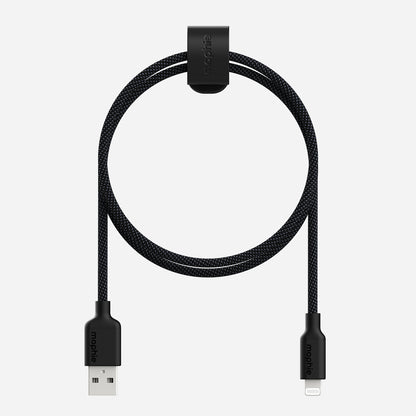
Understanding the Anatomy of Lightning Cables: Why Quality Matters
The anatomy of lightning cables is crucial for understanding their performance and longevity. At the heart of these cables lies a complex structure that includes several components: the connector, the wires, and insulation. The connector is designed to fit securely into the device, creating a stable connection. Inside, the wires are made of copper or other conductive materials that facilitate efficient data and power transfer. Finally, insulation is provided to protect against interference and damage, ensuring that the cable remains functional over time. Opting for high-quality lightning cables can significantly reduce risks such as data loss and device malfunction.
Investing in quality lightning cables is essential not just for the lifespan of the cable but also for the devices they connect. High-quality cables often feature better shielding and thicker wire, reducing the likelihood of signal loss or wear over time. Moreover, quality matters in terms of safety. Inferior cables can lead to overheating and, in worst cases, create fire hazards. Therefore, choosing cables from reputable manufacturers with good customer reviews can make a substantial difference in performance and reliability. Remember, a small upfront investment in a quality lightning cable can save you from costly replacements and potential damage to your valuable devices.
Counter-Strike is a multiplayer first-person shooter game that has gained immense popularity since its release. Players can choose to be either terrorists or counter-terrorists, engaging in tactical gameplay that requires teamwork and strategy. For gamers who enjoy optimizing their setup, check out the Top 10 fast chargers for iPhone to enhance their gaming experience.
Top 5 Common Myths About Lightning Cables Debunked
Lightning cables are often surrounded by various myths that can lead to confusion among consumers. One common myth is that all Lightning cables are created equal; however, the truth is that only Apple-certified cables guarantee safety and performance. The MFi (Made for iPhone/iPad) certification ensures that a cable meets Apple's standards, providing optimal charging speed and reducing the risk of damage to your device. Using non-certified cables can not only slow down charging time but may also lead to potential damage or malfunction of your device.
Another prevalent myth is that using a Lightning cable with a higher voltage or current will charge your device faster. In reality, most Apple devices are designed to regulate their charging speed based on internal circuits, meaning that using a more powerful charger doesn't necessarily equate to faster charging. Additionally, charging your device overnight with any cable is often believed to harm battery longevity, but modern Apple devices are equipped with smart charging technology that prevents overcharging, making it safe to do so.
How to Choose the Right Lightning Cable for Your Apple Devices
Choosing the right Lightning cable for your Apple devices is crucial for ensuring efficient charging and data transfer. When selecting a cable, consider the compatibility with your specific devices. For instance, if you have an iPhone, iPad, or iPod that uses a Lightning connector, make sure the cable explicitly supports these models. Additionally, checking the length of the cable is essential, as you might prefer a longer cable for convenience, especially when charging from a distance. Ensure you also consider the build quality; cables made with durable materials like braided nylon typically last longer than standard plastic options.
Before making a purchase, it’s wise to review the following aspects of Lightning cables:
- Apple Certification: Opt for MFi (Made for iPhone/iPad/iPod) certified cables to ensure compatibility and safety.
- Charging Speed: Look for cables that support fast charging, especially if you own a more recent Apple device.
- Warranty and Support: A good warranty can save you money in the long run. Companies that offer warranty support are often more reliable.