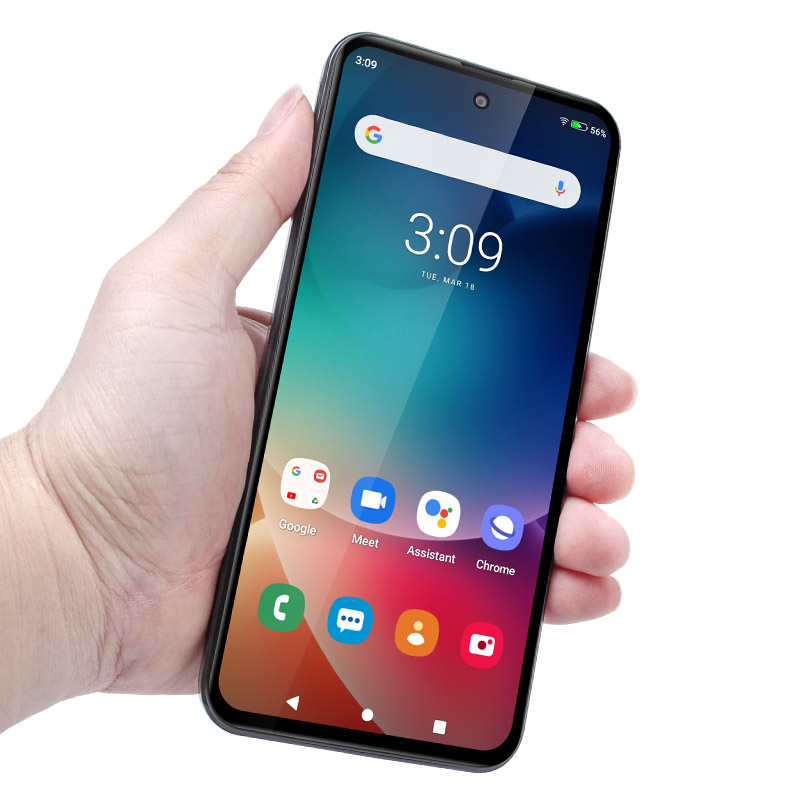
The Impact of Mobile Devices on Daily Life: Understanding Our Screen Addiction
The rise of mobile devices has undeniably transformed our daily lives, making information more accessible than ever. With the touch of a finger, we can connect with friends, shop for groceries, or even track our fitness goals. However, this convenience comes with a price: an increasing dependence on our screens. In fact, studies show that the average person spends over 4 hours a day on their mobile devices, leading to a phenomenon known as screen addiction. This addiction not only impacts our social interactions but can also affect our mental and physical health.
Understanding our screen addiction starts with recognizing its effects. Many individuals report feeling anxious or irritable when separated from their devices, indicating a growing need for constant connectivity. Moreover, excessive mobile usage can disrupt sleep patterns, as the blue light emitted from screens interferes with melatonin production. To combat this issue, it’s essential to adopt healthy habits, such as setting specific times to unplug or engaging in non-screen-related activities. By doing so, we can regain control over our lives and find a healthier balance between technology and real-world interactions.
Counter-Strike is a popular tactical first-person shooter game that pits teams of terrorists against counter-terrorists in various scenarios. The game has evolved through various editions, with the most notable being Counter-Strike: Global Offensive. Players engage in intense matches, utilizing teamwork and strategy to outsmart their opponents. If you're looking for accessories for your gaming gear, check out the Top 10 iPhone 17 Cases with Lanyard to keep your devices protected while you play.
Tiny Screens, Big Influence: How Smartphones Are Shaping Modern Communication
In today's fast-paced digital landscape, smartphones have become an integral part of our daily lives, influencing the way we communicate in profound ways. From instant messaging apps to social media platforms, these tiny screens enable people to connect with others across the globe in real-time. As a result, the traditional forms of communication, such as face-to-face conversations and even phone calls, are gradually being supplanted by text-based exchanges. This shift has led to the rise of a new lexicon, including emojis and abbreviations, which reflects the changing nature of human interaction.
Moreover, the impact of smartphones extends beyond personal communication; they have revolutionized the way businesses engage with their customers. Companies now leverage mobile technology to send targeted notifications, conduct live chats, and gather feedback, making consumer interaction more dynamic and responsive than ever before. With an increasing number of people relying on their phones for communication, it is essential for brands to adopt mobile-first strategies, ensuring that their messaging resonates in this smartphone-centric world.
Are We Living in a Mobile-First World? Exploring the Rise of Screen Dependency
In today's digital landscape, the term mobile-first world has become increasingly relevant as more individuals rely on smartphones and tablets for their daily activities. A recent study revealed that over 50% of global web traffic now originates from mobile devices, highlighting a significant shift in how consumers access information and engage with content. This phenomenon has prompted businesses and content creators to prioritize mobile-friendly designs and optimize their digital strategies. Failure to do so can lead to decreased visibility and engagement, as users are less likely to interact with content that is not easily accessible on their devices.
The rise of screen dependency extends beyond mere convenience; it also reflects changing social norms and behaviors. According to research, the average person spends nearly four hours a day on their mobile devices, a statistic that raises concerns about falls into digital addiction and the potential impacts on mental health and interpersonal relationships. As we navigate this mobile-first world, it is essential to strike a balance between leveraging technology for productivity and maintaining a healthy relationship with our screens. By becoming more mindful of our usage and setting boundaries, we can enjoy the benefits of mobile connectivity while mitigating its drawbacks.