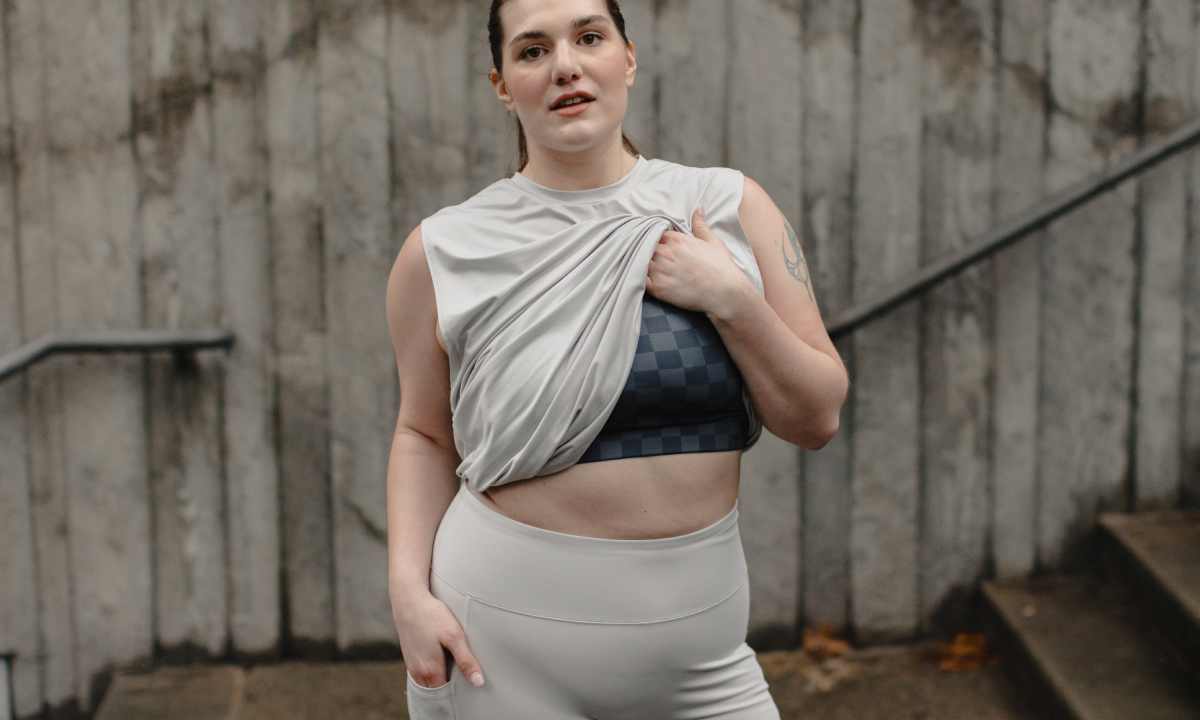
The Science Behind Moisture-Wicking Fabrics: How They Keep You Dry
Moisture-wicking fabrics are engineered textiles designed to pull moisture away from the body to the fabric’s surface, where it can evaporate quickly. This innovative technology is essential for athletes and anyone who engages in physical activity, as it helps maintain a comfortable body temperature and reduces the risk of overheating. The science behind these fabrics lies in their unique fiber structures, which often include synthetic materials like polyester or nylon. These fibers have hydrophobic properties that repel water, allowing sweat to be drawn away from the skin and facilitating rapid evaporation.
Furthermore, moisture-wicking fabrics can be categorized into two types: natural and synthetic. Natural moisture-wicking fabrics, like merino wool, offer breathability and temperature regulation while maintaining comfort. In contrast, synthetic options typically provide superior moisture management and faster drying times. The choice between these types depends on individual needs, such as activity level and climate conditions. By understanding the science behind moisture-wicking fabrics, consumers can make informed decisions that enhance their comfort during physical activities.
Counter Strike is a highly popular first-person shooter game where teams of terrorists and counter-terrorists face off in various objective-based missions. Players strategically use a variety of weapons and tactics to complete objectives and eliminate opposing players. For those who enjoy gaming during workouts, check out the Top 10 Apple Watch Bands for Sweating to keep your tech secured while you play.
Top 5 Moisture-Wicking Fabrics for Every Adventure
Choosing the right fabric for your outdoor adventures can make all the difference in comfort and performance. Moisture-wicking fabrics are designed to pull sweat away from your skin, keeping you dry and preventing chafing. Here are the top 5 moisture-wicking fabrics that you should consider for your next adventure:
- Polyester: This synthetic fabric is lightweight, durable, and dries quickly, making it ideal for high-intensity activities.
- Nylon: Known for its strength and versatility, nylon has excellent moisture-wicking properties and is perfect for various outdoor gear.
- Merino Wool: A natural option, merino wool not only wicks moisture but also regulates temperature, making it suitable for both warm and cool conditions.
- Rayon: Often used in activewear, rayon blends offer great breathability and moisture absorption, making them comfortable for long wear.
- Spandex: While typically blended with other fabrics for stretchiness, spandex can enhance the moisture-wicking capabilities of activewear, providing a snug fit for movement.
How to Choose Moisture-Wicking Gear for Different Weather Conditions
When selecting moisture-wicking gear, it’s essential to tailor your choices to the specific weather conditions you’ll be facing. For hot and humid climates, look for materials like polyester or nylon that are lightweight and breathable. These fabrics help to pull moisture away from the skin, enhancing evaporation and keeping you cool. In contrast, during cooler conditions, opt for layers that include insulating properties but still offer moisture management. One effective approach is to wear a moisture-wicking base layer to ensure sweat is moved away from the body, enabling you to maintain a comfortable temperature without getting chilled.
Additionally, consider the activity level when choosing your moisture-wicking gear. If you’re engaging in high-intensity activities such as running or cycling in moderate temperatures, prioritize gear with ventilation features like mesh panels. These panels allow for increased airflow, reducing the risk of overheating while still managing sweat effectively. Conversely, if you're participating in lower intensity activities like hiking during cold weather, focus on gear with thermal properties that also wick away moisture. Remember, the right gear not only enhances comfort but also improves performance in varying weather conditions.