Understanding the Mechanics: How Decentralized Betting Works (and Why It Matters to You)
At its core, decentralized betting leverages blockchain technology to remove the need for traditional intermediaries. Instead of placing bets with a centralized bookmaker, transactions occur directly between participants via smart contracts. These self-executing agreements, stored on an immutable ledger, automatically enforce betting rules and payout conditions once predefined criteria are met. This means
- no single entity controls your funds,
- results are verifiable and transparent,
- and censorship is virtually impossible.
The implications of this decentralized model are significant, particularly for individual bettors. Firstly, it fosters unprecedented transparency; every transaction and outcome is recorded on a public blockchain, making it impossible for operators to manipulate odds or payouts. Secondly, it often leads to lower fees, as the absence of intermediaries means fewer overheads to cover. Thirdly, and perhaps most importantly for many, it offers enhanced privacy and resistance to censorship. Users can participate without extensive KYC (Know Your Customer) procedures, and their activities are not subject to the whims of a central authority. This empowers individuals with greater control over their betting experience, making decentralized platforms a compelling alternative for those seeking a more fair, open, and secure way to engage with their favorite events.
Decentralized betting offers a revolutionary approach to wagering, leveraging blockchain technology to ensure transparency, fairness, and censorship resistance. Unlike traditional bookmakers, decentralized betting platforms operate on smart contracts, meaning outcomes are determined automatically and immutably, without the need for intermediaries. This eliminates the risk of manipulation and provides users with greater control and privacy over their funds.
Your First Decentralized Bet: Practical Steps, Common Pitfalls, & Answering Your FAQs
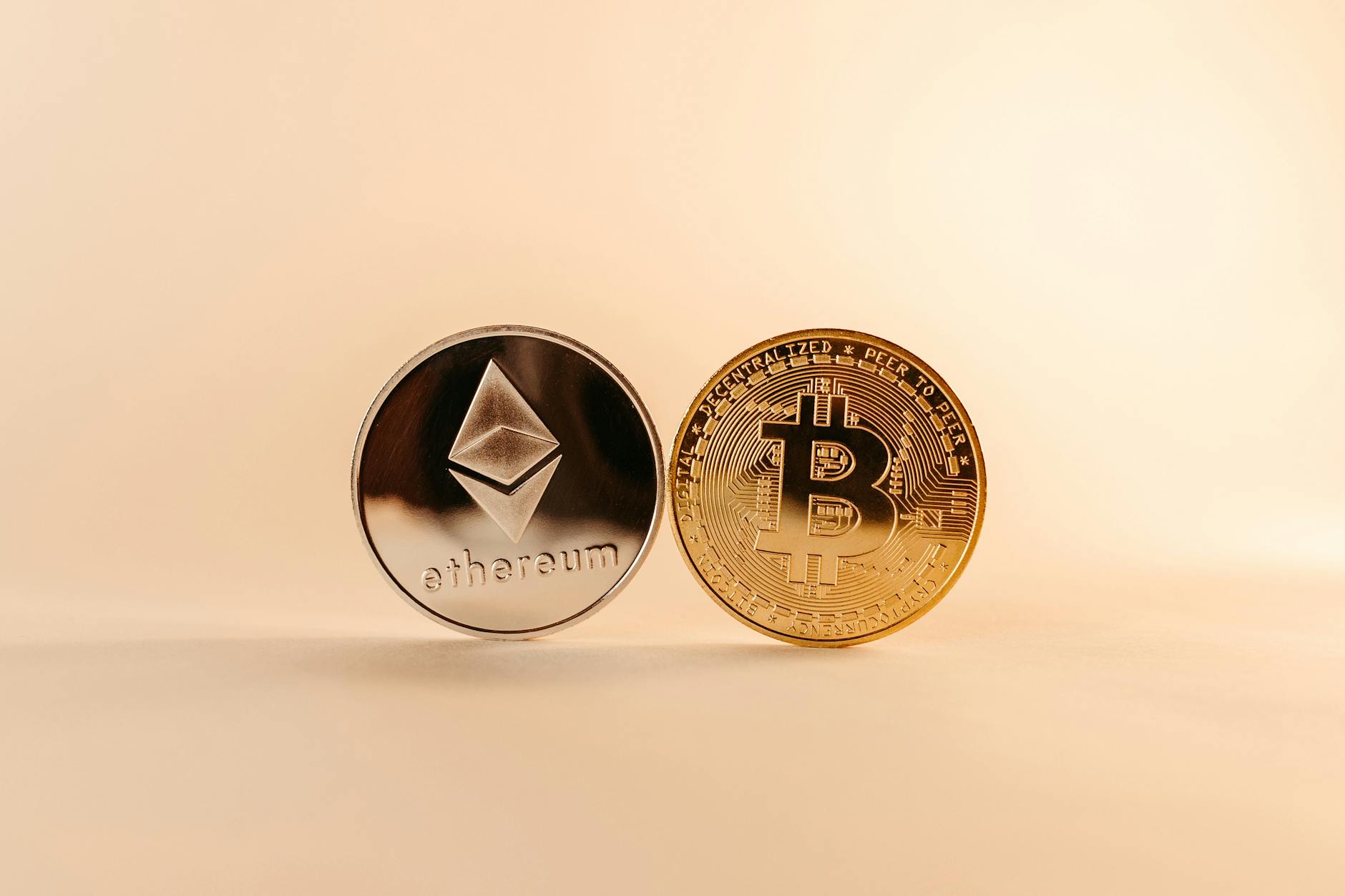
Embarking on your first decentralized bet can feel like navigating uncharted waters, but with a structured approach, it becomes significantly less daunting. Begin by researching reputable decentralized betting platforms that align with your risk tolerance and preferred sports or events. Look for platforms with strong security audits, transparent smart contracts, and an active community. Next, you'll need to acquire cryptocurrency – typically Ethereum (ETH) or a stablecoin like DAI – to fund your wallet. This usually involves using a centralized exchange and then transferring your assets to a non-custodial wallet (e.g., MetaMask). Familiarize yourself with the platform's interface, understanding how to place bets, monitor odds, and ultimately claim your winnings. Always start with small, manageable stakes to gain experience without significant financial exposure.
While the allure of decentralized betting is strong, several common pitfalls can trip up newcomers. A primary concern is understanding gas fees; these fluctuating transaction costs on the blockchain can significantly impact your potential profits, especially with smaller bets.
- Always check the estimated gas fee before confirming a transaction.
- Another common mistake is neglecting due diligence on the platform itself. Scammers and poorly designed protocols exist, so verify a platform's legitimacy thoroughly.
- Finally, be mindful of the inherent volatility of cryptocurrencies.
"The best way to learn is by doing, but the wisest way is by learning from others' mistakes."