Unlocking British TV: How Free VPNs Bypass Geo-Restrictions (And What to Watch Out For)
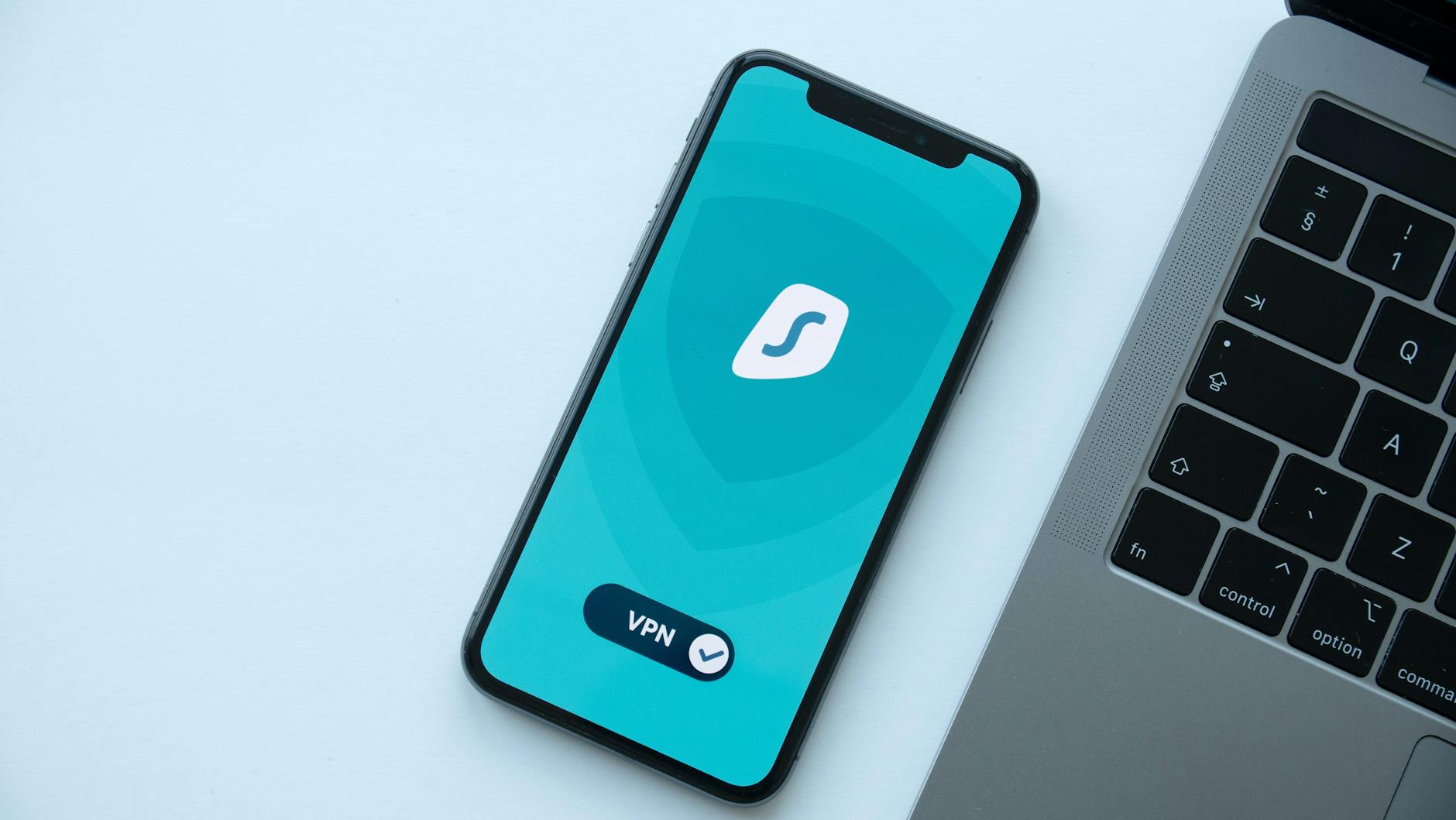
The allure of British television is undeniable, from gripping dramas like Line of Duty to witty comedies and insightful documentaries. However, geographical restrictions often stand as a frustrating barrier for viewers outside the UK. This is where free VPNs enter the scene, offering a seemingly simple solution to bypass these digital borders. By masking your actual IP address and routing your internet connection through a server in the UK, a free VPN can trick streaming platforms into believing you're located within the country. This opens up a world of content on services like BBC iPlayer, ITVX, and Channel 4, allowing you to catch up on your favorite shows or discover new British gems, all without a subscription fee.
While the prospect of free access to British TV is appealing, it's crucial to understand the inherent trade-offs and potential pitfalls associated with free VPN services. Unlike their paid counterparts, free VPNs often come with significant limitations. These can include:
- Slower speeds: Overcrowded servers and bandwidth caps can lead to buffering and a poor viewing experience.
- Data limits: Many free VPNs impose daily or monthly data caps, making extended binge-watching impossible.
- Security risks: Some free VPNs have been known to collect user data, inject ads, or even contain malware, compromising your privacy.
- Limited server locations: You might find fewer UK server options, leading to unreliable connections.
A free VPN can be a tempting option for those looking to protect their online privacy and access geo-restricted content without incurring costs. However, it's important to be aware that many free services come with limitations, such as slower speeds, data caps, and sometimes even privacy concerns due to data collection practices.
Your Free VPN Checklist: Setting Up, Troubleshooting Common Issues, and Staying Secure
Embarking on your free VPN journey requires more than just downloading an app. A thorough setup is crucial for optimal performance and security. Begin by researching reputable free VPN providers, paying close attention to their privacy policies and data logging practices – transparency is key. Once you've chosen, meticulously follow their installation instructions. After installation, don't just connect and forget. Test your connection using an IP address checker to ensure your real IP is successfully masked. Familiarize yourself with the VPN's interface, understanding features like server selection, kill switches, and split tunneling. A well-configured free VPN is your first line of defense against online threats.
Even with careful setup, you might encounter common issues. If your connection is slow, try switching to a different server or checking your internet speed without the VPN.
"A common pitfall is assuming all free VPNs offer the same level of service,"says cybersecurity expert Jane Doe. Disconnections can often be resolved by restarting the VPN application or even your device. If you're experiencing website access problems, clearing your browser cache and cookies can sometimes help. For persistent issues, consult the VPN provider's support documentation or community forums. Remember to regularly update your VPN software to patch vulnerabilities and enhance performance, ensuring you stay secure in an ever-evolving digital landscape.